
Managing What’s Unmanageable:
Part One
Becca ∙ 1 December 2024

Image by Bits and Splits on Adobe Stock.
In the realm of literature, the depiction of mental illness has grown significantly over the centuries, mirroring shifts in societal beliefs and understandings. From ancient myths and folklore to modern novels and poetry, writers have wrestled with the nuances of these conditions, crafting elaborate narratives that both defy and reinforce stereotypes. These upcoming blog entries will only scratch the surface of this intricate evolution, delving into historical viewpoints, current trends, and the healing power of storytelling in navigating the intricacies of the human psyche.
For a fun and informative piece, explore this article from
Crime Reads
showcasing some of the most renowned books that address mental illness, each reflecting the unique societal norms of their respective time periods.
The Backstory
It’s not just about characters with erratic behavior or quirky traits. It’s about exploring the complexities of the human mind and emotions, shedding light on conditions that affect millions of people worldwide. Literature has long been a mirror reflecting society’s perceptions of mental illness. It delves into the depths of the human psyche, offering insights that go beyond clinical diagnoses. Through storytelling, authors can capture the essence of these struggles in a way that resonates with readers on a profound level.
Check out this literature review from Christopher Isaac on page 20 of the Compass Scholarly Journal for a more detailed overview.
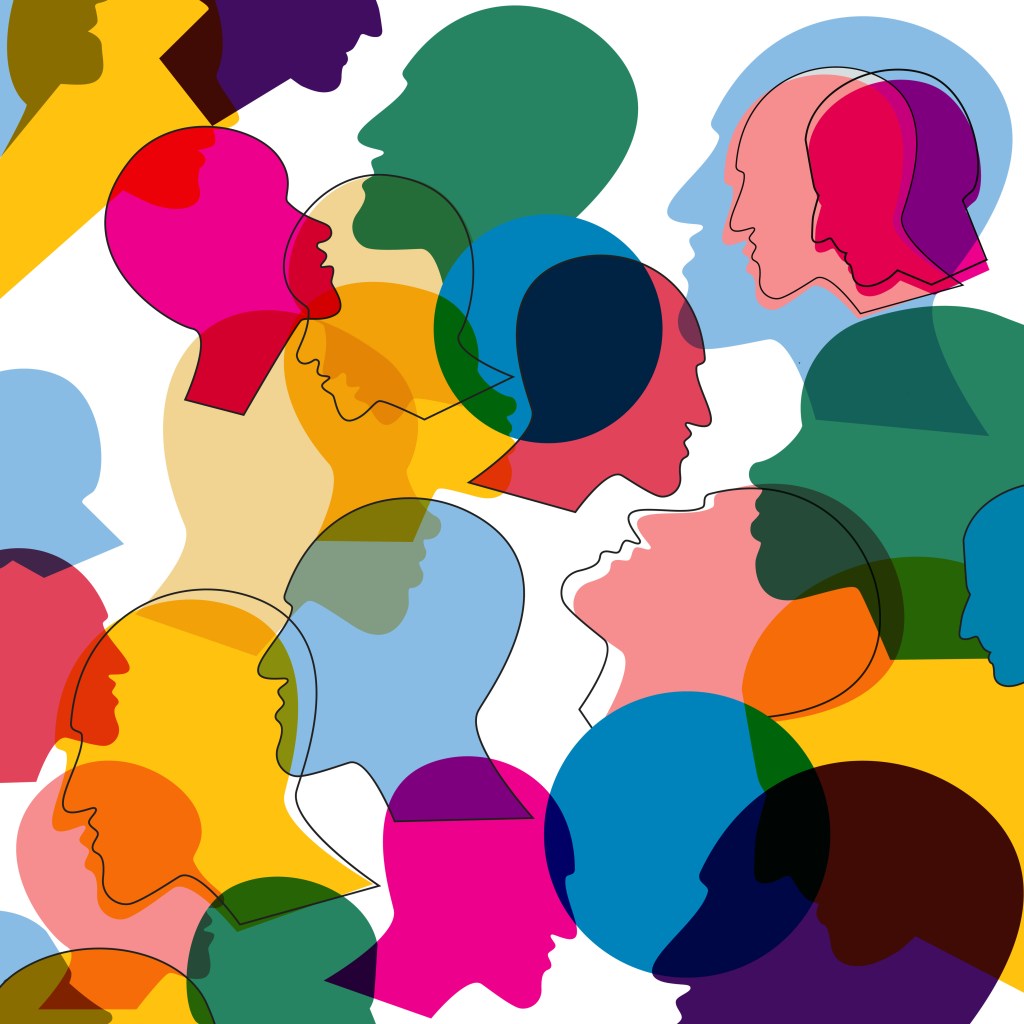
Image by kubko on Adobe Stock.
Historical Perspectives
In ancient times, individuals often attributed mental illness to supernatural forces or divine punishment. Characters exhibiting symptoms were seen as possessed or cursed, leading to fear and isolation rather than understanding and support. During the Renaissance and Enlightenment periods, there was a shift towards more rational explanations for mental illness. The focus turned to studying the mind scientifically, leading to newfound empathy and attempts at treatment rather than mere condemnation.
Want more information? Discover the stigma of mental disorders.
Evolution of Representation
Portrayals of Madness
The Gothic and Romantic movements brought mental illness to the forefront, with protagonists battling inner demons and haunted pasts. Madness became a central theme, shrouded in mystery and tragedy, captivating readers with its dark allure.
“And have I not told you that what you mistake for madness is but over-acuteness of the sense?” – Edgar Allan Poe, The Tell-Tale Heart. Haunted: Exploring Representations of Mental Health Through the Lens of the Gothic.
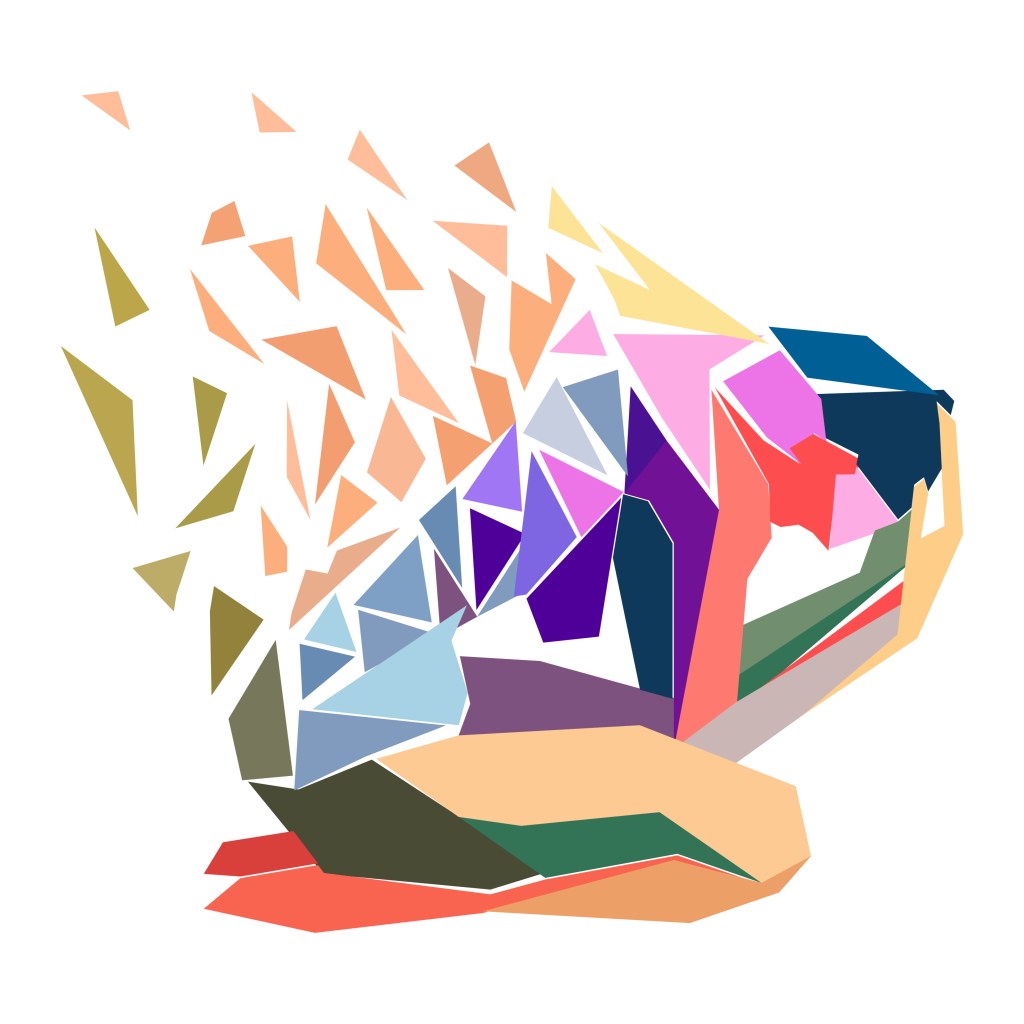
Image by Nadia on Adobe Stock.
Rise of Modernism
In the modern era, literature started to confront mental health more directly, breaking free from romanticized notions of suffering. Authors began to tackle issues like depression, anxiety, and trauma with a raw and unflinching honesty, paving the way for a deeper understanding of the human condition.
“For a thinking person, the most serious mental illness is not being sure of who you are.” – Benoît B. Mandelbrot, The Fractalist: Memoir of a Scientific Maverick. Media portrayals of mental illness, or is it madness? A review
Stigma and Stereotypes
Unfortunately, literature has (at times) perpetuated harmful stereotypes and stigmas surrounding mental illness. Writers and artists have reduced characters with conditions like schizophrenia or bipolar disorder to caricatures or plot devices, reinforcing misconceptions rather than dispelling them. Thankfully, there has been a growing movement in literature to challenge these stereotypes and break the silence surrounding mental health. Authors are offering nuanced portrayals, humanizing those with such conditions, and sparking important conversations that can help reduce stigma and foster empathy. Intersectionality in mental health narratives delves into how different aspects of identity, such as race, gender, and sexuality, intersect with mental health experiences. By exploring these intersections, stories can reflect the complexities of lived experiences and bring light to marginalized voices.
One size does not fit all.
Literature has a unique way of fostering empathy and understanding by allowing readers to step into the shoes of characters experiencing these challenges. Fictional narratives can offer insights into the emotional landscapes of those living with mental illness. Reading and writing can be self-reflection and catharsis. It allows individuals to explore their own emotions, experiences, and struggles, leading to personal growth and healing.

Image by denayune on Adobe Stock.
Contemporary Trends, Challenges, and the Future
The digital age has revolutionized how individuals consume mental health literature. Online platforms provide opportunities for people to connect, share stories, and access resources, shaping a new frontier in mental health discourse. Modern literature plays a crucial role in advocating for awareness. Through powerful storytelling and authentic representation, authors contribute to shifting perceptions and promoting conversations. As society progresses, literature will continue to push boundaries and challenge the stigma. Innovative approaches, such as incorporating diverse perspectives and genres, will pave the way for a more inclusive and destigmatized narrative.
Literature holds immense power in shaping discourse and influencing societal attitudes. By depicting illnesses with nuance and authenticity, authors can provoke meaningful conversations, spark empathy, and drive positive change in how we perceive and support those with these conditions. As I conclude this brief exploration of the portrayal of mental illness in literature, it becomes evident that the power of storytelling extends far beyond mere entertainment. By continuing to engage with and critically analyze the growing landscape of mental illness representation, we not only deepen our understanding of human nature but also contribute to a more compassionate and inclusive society.
For more information on mental illness and its portrayal in literature, check out this informative dissertation on the subject by Andrea Perez Garcia.


Leave a Reply