
Understanding Borderline Personality Disorder
Becca Jean
18 September 2026
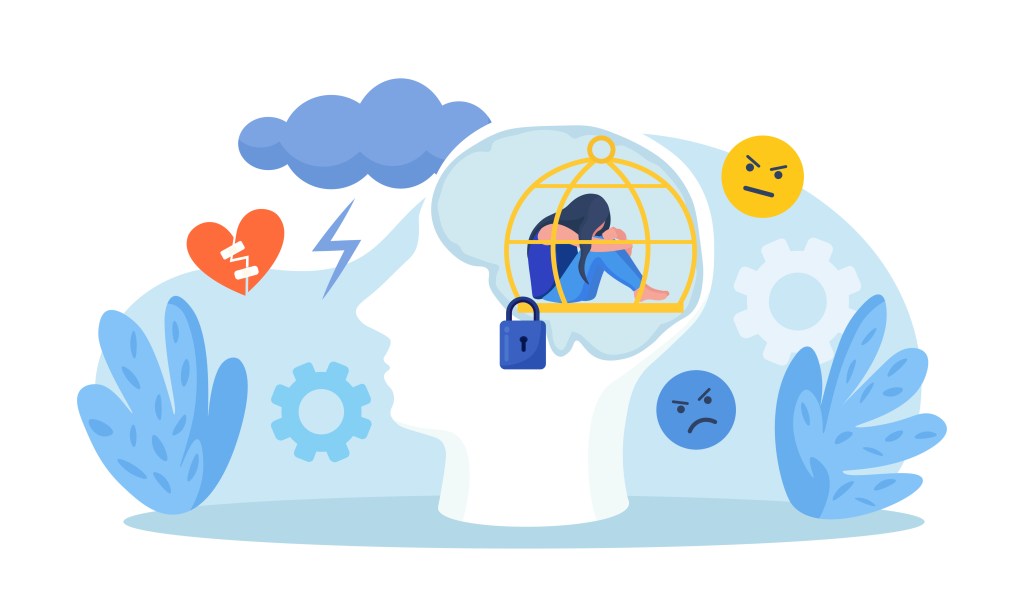
Image created by Nadezhda Buravleva on Adobe Stock.
Let’s talk about Borderline Personality Disorder (BPD).
What is borderline personality disorder?
Borderline personality disorder is a serious mental illness that affects how a person feels about themselves and others and makes it hard to function in everyday life.
It’s a condition defined by intense emotional dysregulation, unstable behavior, and a shifting self‑image that invades daily life and relationships. The term borderline originally referred to an outdated idea that people with the condition sat between neurosis and psychosis, but today it’s understood as a distinct disorder of emotional intensity and relational instability, sometimes called emotionally unstable personality disorder.
Although professionals still don’t know the exact origins of the disorder, research points to a mix of genetics, differences in brain‑structure, and childhood trauma or neglect. Treatment focuses on psychotherapy, especially Dialectical Behavior Therapy (DBT), which helps individuals regulate emotions, reduce self‑harm, and build more stable relationships.
What are the signs and symptoms?
People with BPD often experience intense mood swings and uncertainty about how they see themselves. Their interests, values, and feelings can change quickly.
People with BPD often struggle with fear of abandonment, rapidly changing relationships, a shifting identity, impulsive actions, self‑harm or suicidal behavior, and a persistent sense of emptiness. They most likely have an acute sensitivity to rejection, feelings of alienation, and a distorted self-image. Most people face intense and irregular moods, with episodes lasting from hours to days. Sometimes they may have problems controlling their anger or suffer feelings of dissociation, such as being cut off from oneself, observing oneself from outside the body, or feeling disconnected from one’s surroundings.
Even further, some people engage in reckless behaviors, such as spending sprees, unsafe sex, substance use, dangerous driving, and binge eating.
Not everyone with borderline personality disorder experiences all these symptoms. The severity, frequency, and duration of symptoms vary depending on the person.

Image created by Somjai King on Adobe Stock.
What causes borderline personality disorder?
Although the exact cause of borderline personality disorder is unknown, research suggests that genetic, environmental, and social factors may increase the risk of developing the disorder.
Brain Structure and Function
Research indicates that individuals may show changes in the brain in regions responsible for impulse control and emotional regulation. However, it’s not yet determined whether these modifications are precursors to the disorder or outcomes of its presence.
Family History
Individuals with a close relative, such as a parent or sibling, affected by the disorder may have an increased risk.
Environmental, Cultural, and Social Factors
Many individuals with BPD have reported traumatic childhood experiences such as abuse, neglect, maltreatment, abandonment, or hardship. Other incidents include inconsistent, dismissive relationships or frequent interpersonal disputes.
Although these factors can contribute to the threat of BPD, it doesn’t mean a person will develop the disorder. Likewise, those without these risk factors are also susceptible to the disorder.
How is borderline personality disorder diagnosed?
A licensed mental health professional can diagnose borderline personality disorder after a detailed discussion of symptoms, personal background, and family history, often paired with a medical exam to rule out other causes. BPD is most commonly identified in late adolescence or early adulthood, when patterns of emotional instability and behavior become clearer, though younger individuals can receive a diagnosis if symptoms are severe and persist for at least a year. This evaluation process helps clinicians distinguish the disorder from other conditions and ensure the person receives appropriate care.
What other conditions can occur with borderline personality disorder?
Borderline personality disorder often co-occurs with other mental and physical conditions.
Simultaneous conditions such as mood disorders like depression or bipolar disorder, externalizing disorders including conduct problems or ADHD, and metabolic‑related disorders such as diabetes or obesity can complicate the diagnosis and treatment of BPD because their symptoms often overlap. People with the disorder may also experience symptoms associated with PTSD, anxiety, substance abuse, or eating disorders, making it harder for clinicians to distinguish their sources. Some overlaps reflect shared features like impulsivity, but BPD symptoms occur without the elevated mood of manic or hypomanic episodes, which is a defining feature of bipolar disorder. Understanding these intersections helps clarify the diagnostic picture and guides more accurate treatment.

Image created by Pavlo Syvak on Adobe Stock.
How can I find help?
If you have concerns about your mental health, talk to a primary care provider. They can refer you to a qualified mental health professional.
The Substance Abuse and Mental Health Services Administration (SAMHSA) has information on borderline personality disorder’s causes, symptoms, and treatment.
You can learn more about getting help on the NIMH website. You can also learn about finding support and locating mental health services in your area on the SAMHSA website.
How can I help a loved one?
Supporting a loved one with borderline personality disorder involves learning about the condition, offering steady emotional support, and encouraging treatment. It helps to understand their medical plan, reinforce healthy routines, and support medication use exactly as prescribed while urging them to speak with a provider before making any changes. Family members can also promote structure through daily scheduling, take any comments about self‑harm or suicide seriously, and seek their own counseling (ideally with a different therapist) to better manage the challenges of caregiving and stay aligned with treatment goals.
If you or someone you know is struggling with or having thoughts of suicide, call or text the Suicide & Crisis Lifeline at 988 or chat at 988lifeline.org. In life-threatening situations, call 911.
Works Cited
U.S. Department of Health and Human Services
National Institutes of Health
Revised 2025
https://www.nimh.nih.gov/health/publications/borderline-personality-disorder
 Signs & Symbols
Leave a comment