
The Divided Sky
A Dual Examination of Chemtrails, Contrails, and Weather Modification
Becca Jean
2 October 2026
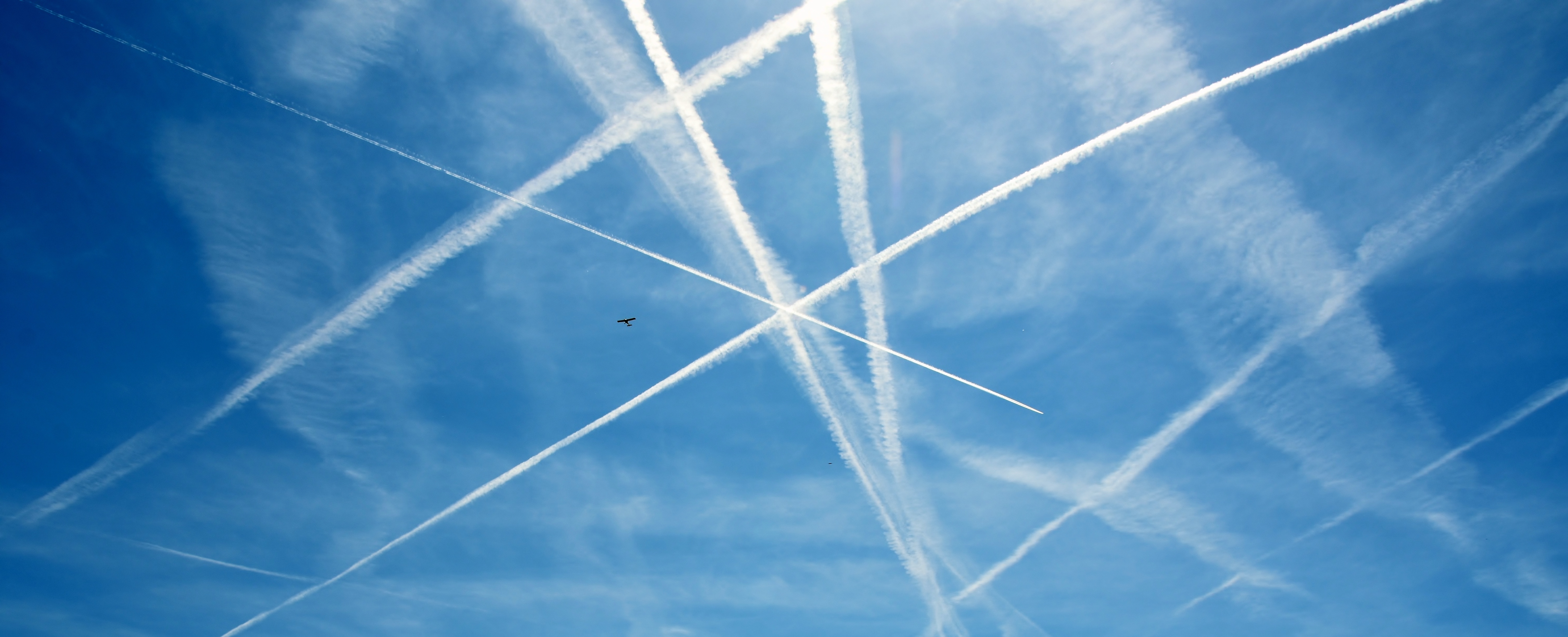
Created by lehmannw on Adobe Stock.
The debate surrounding chemtrails, contrails, and weather modification has become one of the most polarizing conversations in modern environmental discourse. On one side are scientific institutions, federal agencies, and atmospheric researchers who maintain that these claims are unfounded, explaining aircraft trails as natural condensation, weather events as products of climate variability, and geoengineering as a concept not deployed at an operational scale. On the other side stand groups, researchers, and documentaries that assert large‑scale atmospheric manipulation is already underway, claiming that aircraft trails, shifting weather patterns, and environmental changes are evidence of covert geoengineering programs. This article presents both perspectives in full, each written as if its viewpoint is factual, allowing readers to examine the contrast between these two deeply divergent interpretations of the same phenomena without the influence of opinion or editorial judgment.
The Scientific Perspective:
Atmospheric Trails and Weather Events Explained by Established Research
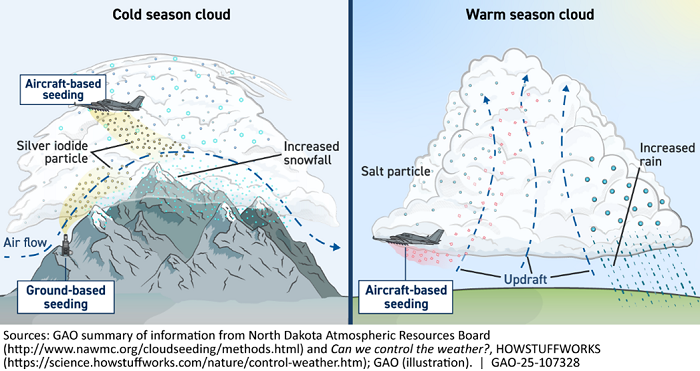
Cloud seeding is an 80‑year‑old technique that attempts to increase rain or snow by releasing tiny particles (usually silver iodide) into clouds, but its overall effectiveness and long‑term safety remain uncertain. As drought intensifies across the United States, interest in cloud seeding has grown, with some states adopting the practice. Research shows that cloud seeding can increase precipitation up to twenty percent, but results vary because of inconsistent data, unpredictable cloud behavior, and limited long‑term studies. While silver iodide appears to pose minimal environmental or health risks at current usage levels, its effects under widespread deployment remain uncertain. Similarly, there is a limit to oversight. Federal reporting requirements don’t capture enough detail, and confusion often shapes public understanding between cloud seeding and broader climate‑altering practices such as solar geoengineering.
To address these gaps, the GAO has outlined several policy options. Maintaining the status quo would avoid additional costs but leave major uncertainties unresolved. Targeted research could strengthen scientific understanding and environmental assessments, though it requires sustained investment. Implementing evidence‑based operational standards (like licensing or evaluation requirements) might improve consistency but could strain funding and technical capacity. Enhanced monitoring and oversight would improve data quality but raise costs and proprietary concerns. Finally, expanding public education could help clarify what cloud seeding is and is not, though outreach alone may not shift public perception. Renewed focus reflects worsening droughts and advances in radar and sensor technology, both of which have increased interest in understanding cloud seeding’s benefits, limitations, and policy implications.
Modern cloud‑seeding programs, such as those operated by DRI, rely on ground‑based generators or aircraft to release small amounts of silver iodide into passing storm systems. Meteorologists closely monitor atmospheric conditions to ensure seeding occurs only when clouds are suitable and when additional precipitation will not worsen flooding or disrupt travel. Silver iodide already exists naturally at low levels, and current evidence suggests it should not harm humans or wildlife at the quantities used in these operations.
Globally, cloud seeding continues to expand, particularly in mountainous regions where winter snowfall is vital for water supply. Long‑term programs in Nevada and other areas have demonstrated snowpack increases of 10 percent or more per year, and several major studies show measurable gains:
A five‑year Australian project increased snowfall by fourteen percent.
A decade‑long Wyoming experiment produced five to fifteen percent increases.
Earlier Montana research showed boosts of up to fifteen percent using high‑altitude remote generators.
These results suggest that when the right cloud conditions are present, cloud seeding can meaningfully supplement natural water resources.
Cloud Seeding:
Drought and Distrust
As previously stated, cloud seeding is a long-established method of weather modification that aims to increase rainfall or snowfall by releasing silver iodide into clouds, providing a surface for ice crystals to develop. First developed in 1946 after researchers discovered that dry ice could trigger ice formation, the technique grew in popularity through the 1970s before declining because of uncertainty about its effectiveness and public discomfort with altering natural weather.
Today, worsening droughts across western states and advances in radar, sensors, drones, and AI‑driven modeling have renewed interest in cloud seeding, especially in Utah, where the shrinking Great Salt Lake poses ecological and economic risks. Utah has launched the largest cloud‑seeding program in U.S. history, skyrocketing its budget and partnering with Rainmaker, a startup backed by Silicon Valley investors. Rainmaker uses drones instead of planes, allowing more precise targeting and real-time atmospheric data collection, and aims to generate billions of gallons of additional water, although still far less than what the lake ultimately needs.
Rainmaker’s CEO, Agustus Doricko, acknowledges both the tragedy of the Texas floods and the inevitability of conspiracy theories surrounding any technology that alters the sky. He argues that distrust in institutions makes the U.S. particularly vulnerable to misinformation and emphasizes the need for transparency and public education. Meanwhile, the company faces significant technical hurdles: drones icing over, unpredictable weather, and the challenge of scaling operations to impact water supplies meaningfully. These obstacles highlight the tension between innovative climate solutions and the societal forces that can obstruct them.
As Rainmaker expands, it has become a focal point for weather‑related conspiracy theories fueled by social media, climate anxiety, and declining trust in institutions. After catastrophic floods in Texas killed more than one hundred thirty people, online speculation falsely linked Rainmaker’s operations to the disaster. High‑profile figures amplified the claims, prompting calls for nationwide bans on weather modification. Scientists quickly refuted the accusations, noting that the company’s methods can only produce a fraction of an inch of precipitation, while the storm dropped up to twenty inches of rain. Despite this, conspiracy theories such as chemtrails continue to spread, influencing legislation in states like Louisiana, Tennessee, and Florida, where they have banned weather modification even though scientific consensus rejects these claims.
Simultaneously, widespread misinformation has circulated online claiming that the U.S. government can create, strengthen, or steer hurricanes. NOAA states that no technology exists that can generate, destroy, or direct hurricanes, all of which form naturally when ocean and atmospheric conditions align. NOAA also states they do not modify weather nor fund or participate in cloud‑seeding operations; its role in studying Earth is limited to systems and tracking weather‑modification activities by others under the Weather Modification Reporting Act of 1972, which requires cloud‑seeding plans to be reported at least ten days in advance. Cloud seeding itself remains a localized technique used mainly by private companies in western states to increase snowfall or replenish reservoirs, and NOAA’s past involvement ended decades ago after Project STORMFURY failed to alter hurricane intensity.
How Does Solar Geoengineering Differ from Weather Modification?
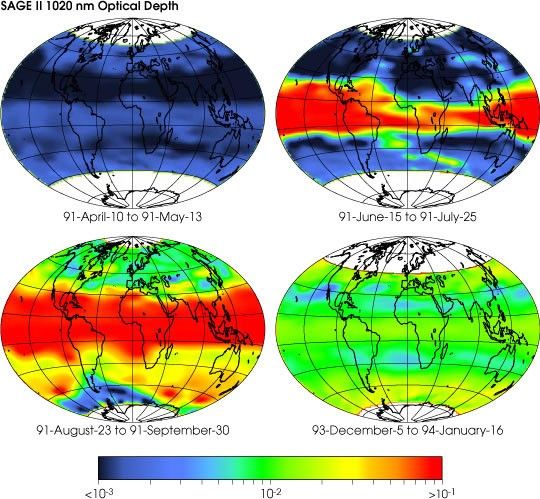
Solar geoengineering refers to large‑scale efforts to cool the planet by reflecting more sunlight back into space, most commonly through stratospheric aerosol injection (SAI), which disperses sulfur dioxide that forms reflective sulfate particles. Scientists’ understanding of its cooling potential comes largely from natural analogs such as volcanic eruptions; for example, Mt. Pinatubo’s 1991 eruption injected about twenty million tons of SO₂ into the stratosphere and cooled the Earth by roughly 0.3°C for two years. Despite public speculation, no large‑scale solar geoengineering deployment has occurred, and the U.S. government states it’s not conducting outdoor tests. However, a canceled 2024 University of Washington marine cloud‑brightening experiment was later revealed to be a precursor to a proposed much larger, undisclosed project spanning three thousand nine hundred square miles, raising concerns about transparency and oversight.
At the state level, laws regulating or banning solar geoengineering and weather modification have emerged, with Florida and Tennessee prohibiting intentional alteration of sunlight, temperature, or weather, and similar bills introduced across many states. Some states distinguish between solar radiation management and traditional cloud seeding, allowing the latter while restricting the former. Internationally, there is no unified governance framework, though several agreements, such as the London Convention, the Convention on Biological Diversity’s moratorium, and ongoing Montreal Protocol assessments, warn of potential risks. The EU has recommended an EU‑wide moratorium and expanded research into unintended effects.
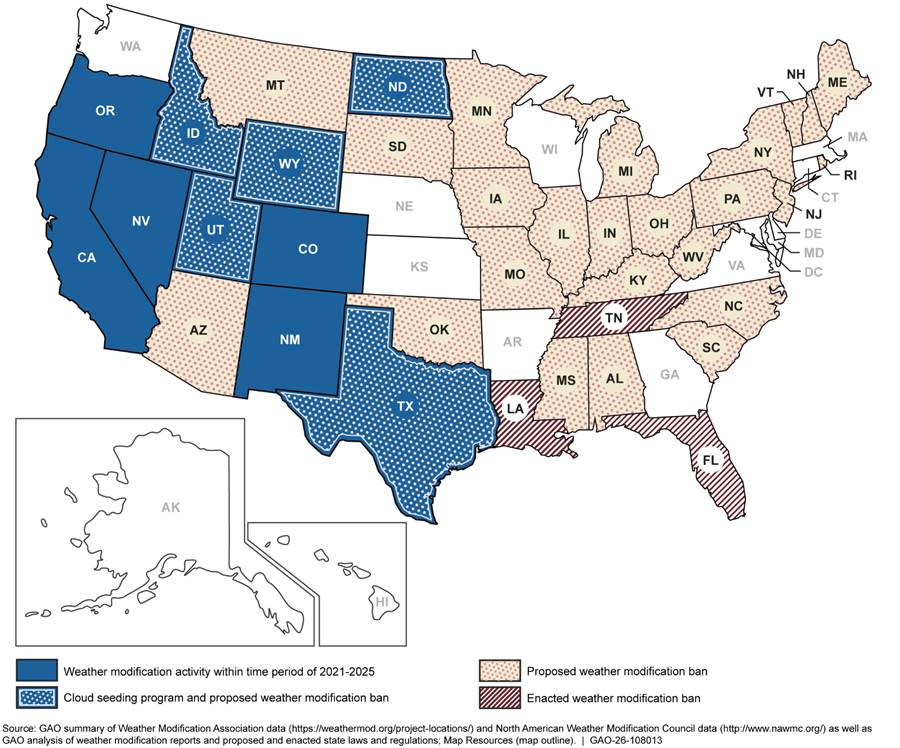
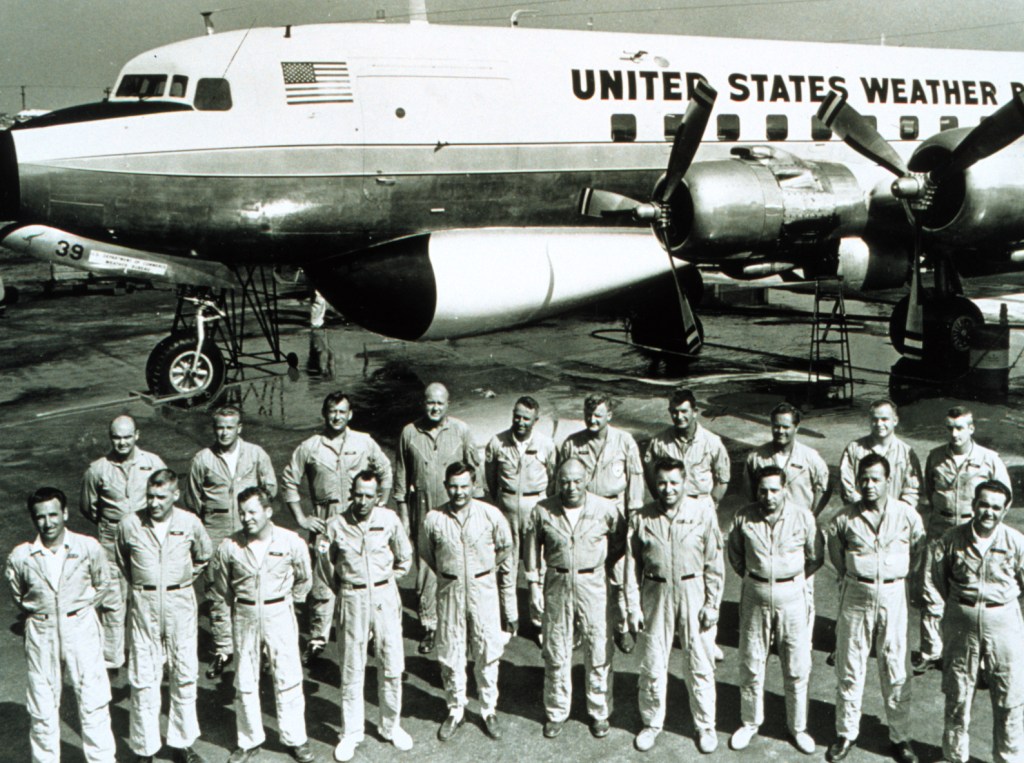
Solar geoengineering differs from weather modification in scale and intent: cloud seeding aims to influence local, short‑term precipitation, while solar geoengineering seeks regional or global, long‑lasting cooling. The U.S. historically funded weather‑modification programs such as Project Cirrus, Operation Popeye, and Project Stormfury, though none altered hurricanes, and federal support waned in the 1980s. Today, cloud seeding is active in nine states and primarily funded at state or local levels, with federal agencies supporting research into cloud physics. While current studies suggest silver iodide used in cloud seeding poses minimal environmental or health risk, the effects of widespread use remain uncertain. Concerns also exist about unintended changes in precipitation patterns and potential effects on ecosystems.
Contrails, visible trails behind aircraft, have no relation to geoengineering, forming naturally when hot exhaust meets cold air. Broader concerns about solar radiation modification include the difficulty of scaling technologies, the need for continuous aerosol injection to maintain cooling, risks of abrupt warming if deployment stops, and possible unintended effects on rainfall, atmospheric chemistry, and global geopolitics.
The Geoengineering Perspective:
Atmospheric Intervention as Present Reality
A growing body of online platforms, documentaries, and independent researchers asserts that large‑scale geoengineering programs are already underway and reshaping the planet’s atmosphere. According to this viewpoint, governments, military institutions, and private corporations are conducting covert operations that involve dispersing reflective particles into the sky, manipulating weather systems, and altering the amount of sunlight reaching Earth. They argue these atmospheric interventions are not theoretical future technologies, but actively occurring without public consent. They claim the trails seen behind aircraft are not ordinary contrails but deliberate chemical dispersals containing substances like aluminum, barium, and strontium. These materials, they say, are used to modify climate systems, influence rainfall, and manage solar radiation, contributing to droughts, floods, temperature extremes, and unusual storm behavior.
Documentaries aligned with this perspective reinforce the belief that geoengineering is already being deployed on a global scale. Certain films present interviews with activists, former military personnel, and independent researchers who argue that elevated metal concentrations in soil and water samples indicate widespread aerosol spraying. These productions trace a historical timeline beginning with early cloud‑seeding experiments and Cold War weather‑modification programs, suggesting that these efforts developed into sophisticated atmospheric operations capable of influencing climate patterns and intensifying natural disasters. They point to persistent aircraft trails, hazy skies, and unusual cloud formations as visible evidence of ongoing geoengineering activity. According to these sources, the coordinated programs are global and strategically concealed, driven by political, economic, and military motives rather than environmental stewardship.
This outlook maintains that the consequences of these atmospheric interventions are already visible. It links geoengineering to declining biodiversity, agricultural disruption, and a rise in health concerns. Proponents argue that solar radiation management is actively dimming sunlight, destabilizing weather systems, and accelerating ecological collapse. They claim that electromagnetic technologies and defense‑related atmospheric research are being used to influence rainfall, drought, and storm intensity, forming a covert system of weather warfare. From this perspective, official explanations are incomplete or intentionally misleading. They say officials hide the actual causes of environmental changes and carry out secret operations.
In this narrative, geoengineering is not a distant possibility but a present reality: a secretive, harmful, and unregulated global effort that is reshaping the planet’s climate, altering ecosystems, and affecting human life. The viewpoint frames these programs as both a planetary threat and a government‑level cover‑up, asserting that the evidence is visible in the sky, measurable in the environment, and increasingly impossible to ignore.
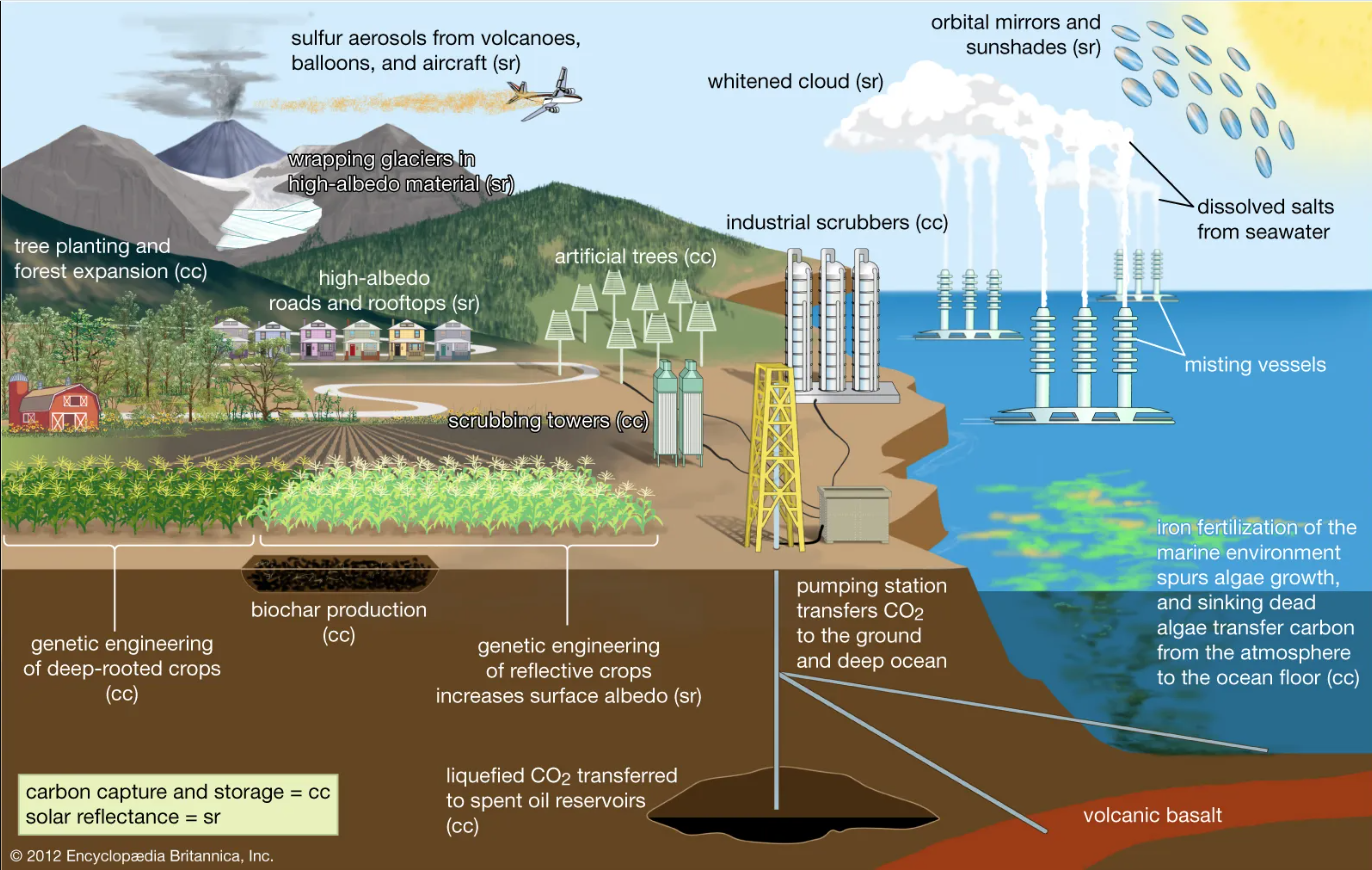
In the end, the divide between these two interpretations of chemtrails, contrails, and weather modification reflects a broader tension in how people make sense of the atmosphere above them. One side relies on established atmospheric science, documented meteorological processes, and decades of research to explain the same phenomena, while the other sees evidence of covert intervention, coordinated programs, and deliberate manipulation woven into the fabric of modern skies. By presenting each viewpoint fully and without commentary, I hope this article allows readers to encounter the arguments as their supporters understand them. Rather than resolve the debate, the article shows how the same evidence can produce opposing conclusions.
Sources
U.S. Government Accountability Office: GAO: Cloud Seeding Technology: Assessing Effectiveness and Other Challenges: GAO-25-107328: Published: Dec. 19, 2024. Publicly Released: Dec. 19, 2024.
https://www.gao.gov/products/gao-25-107328
DRI: Cloud Seeding Program: Frank McDonough, M.S.: Program Director
https://www.dri.edu/cloud-seeding-program/what-is-cloud-seeding/
WSJ Podcasts: WEDNESDAY, DECEMBER 17, 2025: How the ‘Chemtrails’ Conspiracy Theory Is Sabotaging One Company
https://www.wsj.com/podcasts/the-journal/how-the-chemtrails-conspiracy-theory-is-sabotaging-one-company/e4e14f2f-ef0f-439b-8036-61fcf3188d51
National Oceanic and Atmospheric Administration
https://www.noaa.gov/news/fact-check-debunking-weather-modification-claims
EPA: United States Environmental Protection Agency
https://www.epa.gov/geoengineering/frequent-questions
Geoengineering Watch
https://geoengineeringwatch.org/
https://science.nasa.gov/earth/earth-observatory/global-effects-of-mount-pinatubo-1510/
climate.nasa.gov
research.noaa.gov
earthobservatory.nasa.gov
https://files.gao.gov/reports/GAO-26-108013/index.html
https://vlab.noaa.gov/web/nws-heritage/-/almost-science-fiction-hurricane-modification-and-project-stormfury
https://www.britannica.com/science/geoengineering


Leave a comment