Part 1:
What Is Samhain Really?
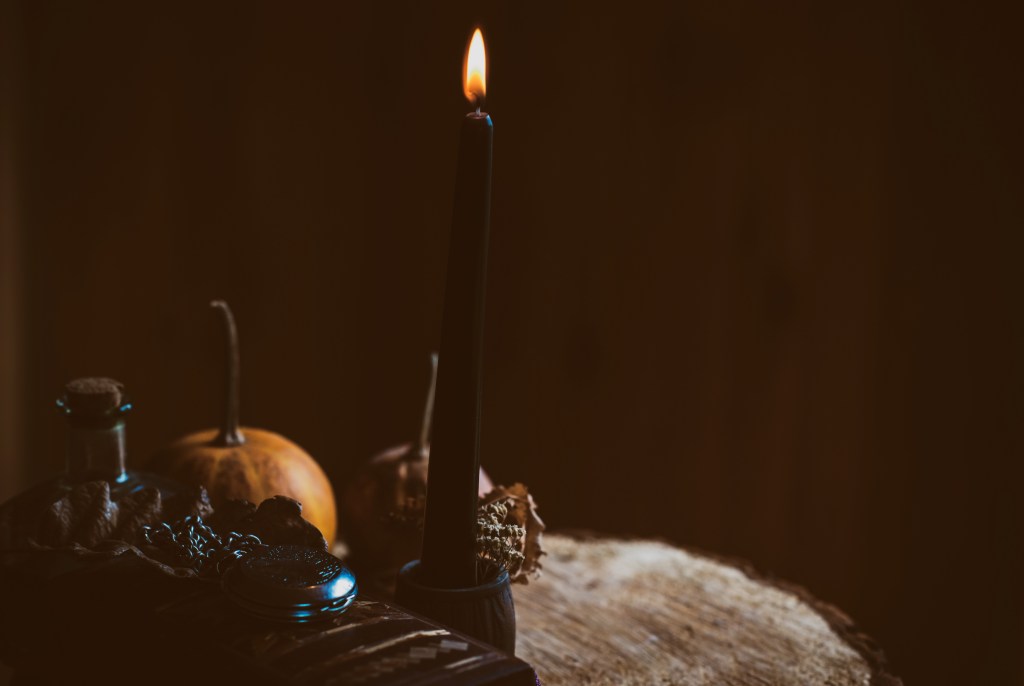
Created by T.Den_Team on Adobe Stock Images.
As October gives way to November and the days grow noticeably shorter, many people decorate for Halloween without realizing that the holiday’s roots extend far deeper into history. Long before jack-o’-lanterns, candy bowls, and costume parties became seasonal staples, ancient Celtic communities observed Samhain, a festival that marked the end of the harvest season and the beginning of winter. Considered a time when the veil between worlds grew thin, this holiday blended community celebration, spiritual observance, and reflection on the cycles of life and death. In this first installment of my three-part series, I’ll highlight the origins of Samhain, the traditions that surrounded it, and how many of those customs continue to influence modern practices today.
Samhain
The ancient Celts celebrated Samhain, a festival marking the change from summer to winter, on October 31 or November 1. In ancient Ireland, it signaled the end of the harvest season and the beginning of preparations for the darker months ahead, serving as a counterpart to Beltane, the celebration that welcomed the return of summer. Central to Samhain was the belief that the boundary between the physical world and the Otherworld became especially thin, allowing spirits, ancestors, and supernatural beings to move more freely between realms. This association with the dead and the mystic gave the festival an atmosphere of both reverence and mystery.
Although people widely regard Samhain as a cultural ancestor of modern Halloween, historians warn that we know relatively little with certainty about its original observances. Much of what survives comes from medieval Irish literature, later Christian accounts, and regional folklore. These sources describe a time marked by feasting, communal gatherings, and stories of encounters with spirits and fairies, reinforcing Samhain’s reputation as a liminal moment in the Celtic calendar.
Samhain also coincides with the observances of All Hallows’ Eve, All Saints’ Day, and All Souls’ Day, collectively known as Allhallowtide, a three-day period dedicated to honoring the dead. Although some popular narratives suggest that these Christian celebrations replaced Samhain, scholars believe that separate historical paths developed these traditions before they gradually influenced one another. Over the centuries, customs associated with both Celtic and Christian observances blended, particularly in Britain and Ireland. Following the Protestant Reformation, the focus shifted away from the veneration of saints and toward a broader remembrance of the dead, contributing to the development of modern Halloween. Traditions such as disguises, lantern carving, and seasonal revelry likely emerged from a variety of sources, including Celtic practices, Christian customs, and later folk traditions. As a result, Halloween is best understood as a cultural fusion shaped by centuries of religious, social, and folkloric influences.
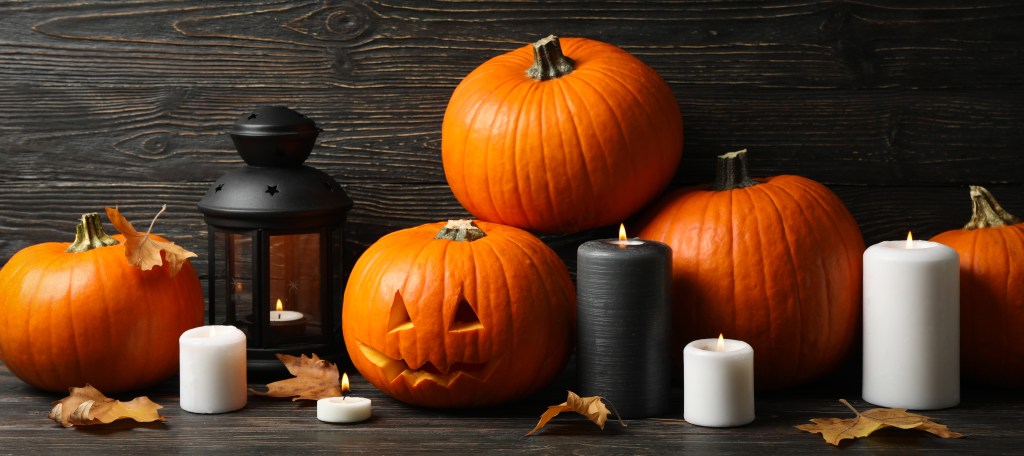
Created by Atlas on Adobe Stock Images.
Ghost turnips, the púca, fortune-telling and evil abductions…
how our ancestors inspire our Halloween celebrations today
For those who celebrated Samhain in Ireland, the festival was far more than a single night of revelry. Marking the transition from the harvest season into winter, Samhain was a liminal time when the natural world appeared to stand between two states. As daylight waned and the landscape entered its dormant season, attention turned toward remembrance, protection, community, and the mysteries of the future.
The connection between Samhain and the dying of the year made it a natural time to honor those who had passed away. Many believed that the boundary between the world of the living and the realm of spirits grew thin during this seasonal transition, allowing souls to revisit the places and people they had known in life. Families took precautions to protect both their homes and livestock during this period. Households frequently sprinkled holy water on household members, doorways, and farm animals, and they made and displayed small wooden or straw crosses to symbolize protection and good fortune for the coming winter.
This association with the spirit world also gave rise to a variety of customs intended to ward off misfortune. People referred to Halloween as ghost night or spirit night, believing that not only departed loved ones but also unwelcome supernatural beings wandered the countryside. Many regarded fairy forts, ancient mounds, and solitary trees as particularly hazardous spots once night fell. Those who needed to travel on Samhain night sometimes carried iron or steel objects, such as a needle or knife, for protection against malevolent forces.
Despite these solemn beliefs, Samhain was also a time of celebration. Communities gathered to enjoy the final abundance of the harvest, sharing seasonal foods made from fruits, nuts, and root vegetables. Traditional dishes included báirín breac, a rich fruit loaf associated with Halloween festivities, as well as colcannon, a hearty mixture of mashed potatoes, cabbage, and onions, and boxty, a traditional potato cake. Children’s games often centered on harvest produce, with apple bobbing and apples suspended from strings becoming favorite seasonal entertainments.
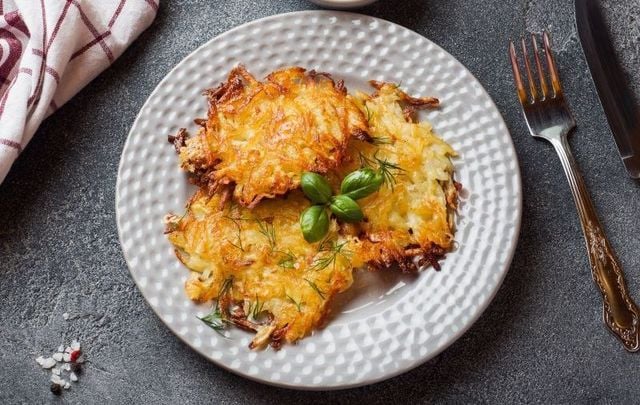
Created by IrishCentral Staff at Irish Central.
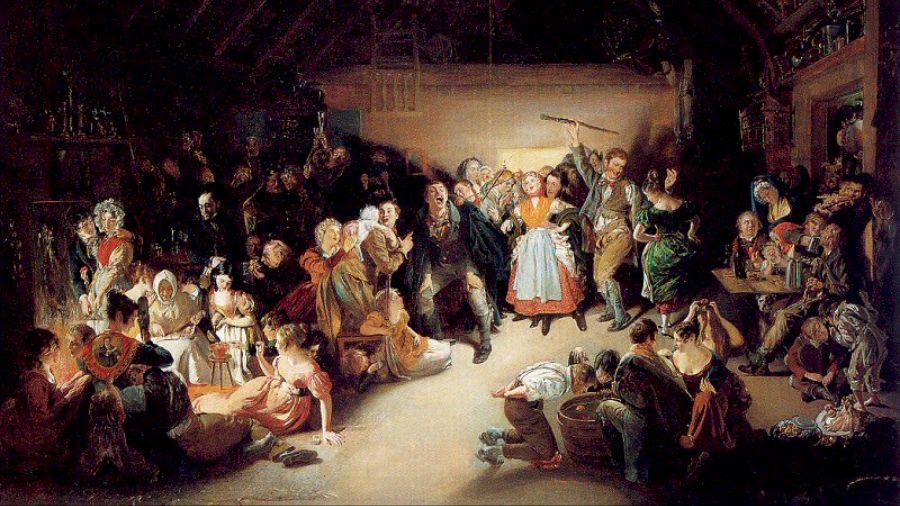
Snap-Apple Night by Daniel Maclise, 1833 on Mercat Tours.
Many Halloween traditions familiar today have their origins in these earlier customs. Groups of disguised visitors, known as guisers, traveled from house to house wearing masks and costumes intended to entertain, surprise, or occasionally frighten their neighbors. In exchange for songs, stories, or performances, they received food or treats from the household. Many consider this practice one predecessor of modern trick-or-treating. The evening also encouraged practical jokes and playful mischief. Children and young adults knocked on doors before running away, tossed cabbages at entrances, and secretly moved or rearranged farm equipment under the cover of darkness.
Light played an important role in Samhain traditions as well. Families placed candles in their windows to guide spirits and bring comfort during the darkening season. People carried lanterns carved from turnips through villages and placed them on windowsills to ward off unwanted visitors from the Otherworld. The now-familiar pumpkin jack-o’-lantern emerged later in North America, where pumpkins proved more plentiful and easier to carve than turnips.
Samhain was also renowned as a night for divination. Because many people believed the veil between worlds thinned on Samhain, they viewed the night as an especially favorable time to glimpse the future. Báirín breac often contained hidden objects baked into the loaf, each carrying a symbolic prediction. A ring signified marriage, a coin promised wealth, and other items foretold everything from poverty to religious devotion. Similar fortune-telling customs appeared throughout Ireland. Young people placed objects beneath their pillows, dreaming of a future spouse, while blindfolded games involving cabbages or bowls containing symbolic items were used to predict marriage, prosperity, travel, or death.
Storytelling provided another means of passing traditions from one generation to the next. Tales of the Púca, a mischievous supernatural being from Irish folklore, warned children against eating wild fruits late in the season. According to tradition, the Púca wandered the countryside on Samhain night, spoiling berries and other remaining harvest fruits, rendering them unsuitable for consumption. Such stories reinforced both cultural beliefs and practical seasonal wisdom.
Fire brought many of these customs together. Across Ireland, communities gathered around bonfires that illuminated the autumn darkness. Historically, these fires served multiple purposes: they fostered communal identity, offered symbolic protection from harmful influences, and marked the transition into winter. Even today, Halloween bonfires remain a cherished tradition in many parts of Ireland, serving as a visible reminder of the festival’s enduring connection to community, transformation, and the changing seasons.
Taken together, these Samhain was never solely a festival of fear or superstition. Rather, it was a complex celebration that blended remembrance and revelry, protection and prophecy, community and mystery. Standing at the threshold between seasons, the festival invited people to honor the past, prepare for the future, and acknowledge the enduring rhythms of life, death, and renewal that defined the Celtic year.
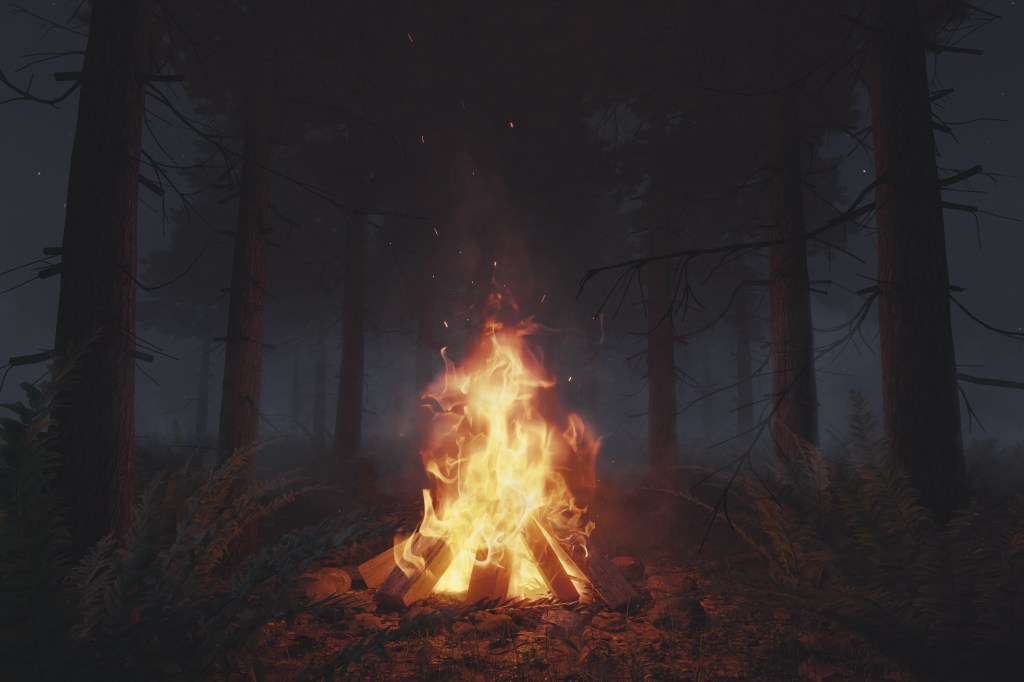
Created by Brilliant Eye on Adobe Stock Images.
Celebrating the Samhain Season
Although many of the customs associated with Samhain have changed over the centuries, the festival continues to hold deep spiritual significance for contemporary Pagans, Wiccans, and modern witches. For many practitioners, Samhain marks the conclusion of the Wheel of the Year and the beginning of the Witch’s New Year, a sacred threshold between endings and beginnings. Much like their ancestors, modern celebrants use this season to honor those who have passed, reflect on the lessons of the previous year, and prepare spiritually for the darker months ahead. Ancestor altars, remembrance rituals, and acts of gratitude remain central to many Samhain observances, echoing long-standing traditions of honoring the dead and recognizing the cyclical nature of life and death.
Modern Samhain practices also preserve the festival’s historic association with divination and spiritual reflection. Many practitioners believe the veil between worlds grows thinner during this time, making it especially conducive to meditation, ancestor work, and divinatory practices intended to provide guidance for the coming year. Rather than serving as an attempt to recreate ancient customs exactly as they once existed, contemporary celebrations often blend historical inspiration with personal spirituality, creating a living tradition that continues to develop while remaining rooted in the themes that have long defined Samhain: remembrance, transformation, protection, and renewal.
The following rituals and spells reflect some ways modern practitioners observe Samhain today, drawing upon both traditional themes and contemporary spiritual practice to honor the season’s unique significance.
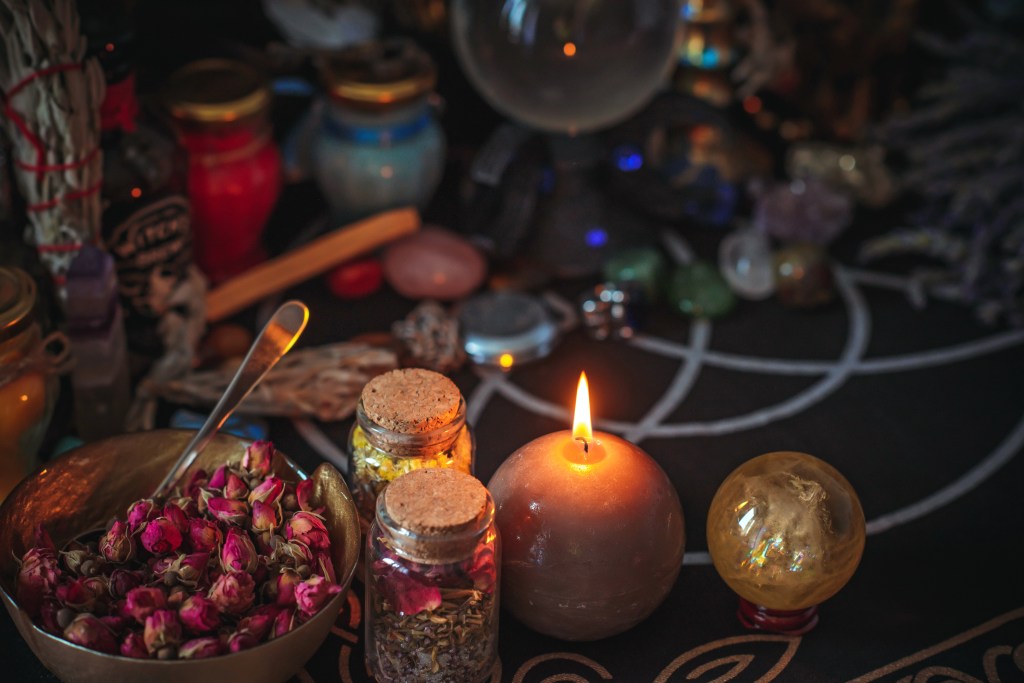
Created by T.Den_Team on Adobe Stock Images.
13 Manifestations Spell
We are between the second harvest of the Autumn Equinox and the last harvest of Samhain. It’s the perfect time to use the harvest for a long-term manifestation.
You will need:
13 acorns (or acorn-shaped papers)
A marker
A pouch
A bowl you can keep out for 13 lunations
Choose 13 things you want to manifest in the coming year: ideas, tangible items, emotions. Write one on each acorn. Place them in the pouch and shake it. Pull out one acorn. That is the manifestation you will work on this month, taking steps toward it. Hold it and meditate on it, then place it in a bowl where you will see it every day as a reminder to take steps to turn it into reality. Every new moon for 13 lunations, pull an acorn, add it to the bowl, and take steps to work on it. By this time next year, you will have a full harvest of manifestations.
A Janus Samhain Spell
By Edain McCoy
Thousands of rituals and spells have been composed for Samhain. On this night when the boundaries of life and death are blurred we honor our ancestors, and we remember others who have passed over that we never knew. What has been part of our past shapes our future. This Samhain we might also want to look forward. Someday we will be the past that helped shape someone else’s future. Janus was the two-faced Roman god for whom January is named. One face looks to the past, the other to the future. Turn to face the west, the land of the dead and the deities, saying:
Janus, who looks into the night toward the place where spirits seek light,
bless all souls who come now as they hear it, and dance in the circle of spirit.
Turn to face the east, the point of the rising Sun, away from death and into the promise of a new day, saying:
Janus, who into the day at dawn’s first glow and Sun’s first ray,
bless this circle without hesitation,
and fear not the past nor times not yet here.
A Light to Guide the Spirits
By Ember Grant
Tonight is often called the Witches’ New Year, a night of celebration, when the veil between the worlds is thin. Samhain (Summer’s End) is the ancient Celtic festival at the root of our modern Halloween. Traditionally, ancestors were honored tonight and candles were placed in windows to guide their spirits. For this spell, you can use your Halloween jack-o’-lantern or create a special one carved with celestial symbols. Place a candle inside the pumpkin and set it in a place of prominence in your home or on your porch. To personalize the candle to honor a specific person who has passed, carve their name in the candle. Bless it with the following chant:
On this night, a hallowed eve,
Spirits walking, roaming free,
Guide them with this glowing light,
They have no need to bring us fright.
November is the eleventh month of the year. Its name is derived from the Latin word novem, meaning “nine,” as it was the ninth month of the Roman calendar. Its astrological sign is Scorpio, the Scorpion (October 23–November 23), a fixed-water sign ruled by Pluto. The harvest season is complete and the land is now at rest, for a moment. The bare beauty of nature can still be seen-in the true shape of trees, their naked branches in silhouette against the sky, the ground covered with a soft mantle of brown leaves. Frost glitters upon the grass; see your breath in the gray morning. There may be a hint of wood smoke in the air, and you might glimpse a deer nibbling on bark. Thanksgiving is the major holiday this month, a time for families and friends to come together and celebrate life-to express gratitude and enjoy a feast. November is a month for remembering, beginning with All Souls’ Day on November 2. As families tend to gather this month, and people spend more time indoors, remember loved ones and tell stories. Honor memories. November’s Full Moon is called the Frost Moon-spend some time this night reflecting on your ancestry or practice scrying by lighting some incense and watching the tendrils of smoke by candlelight.
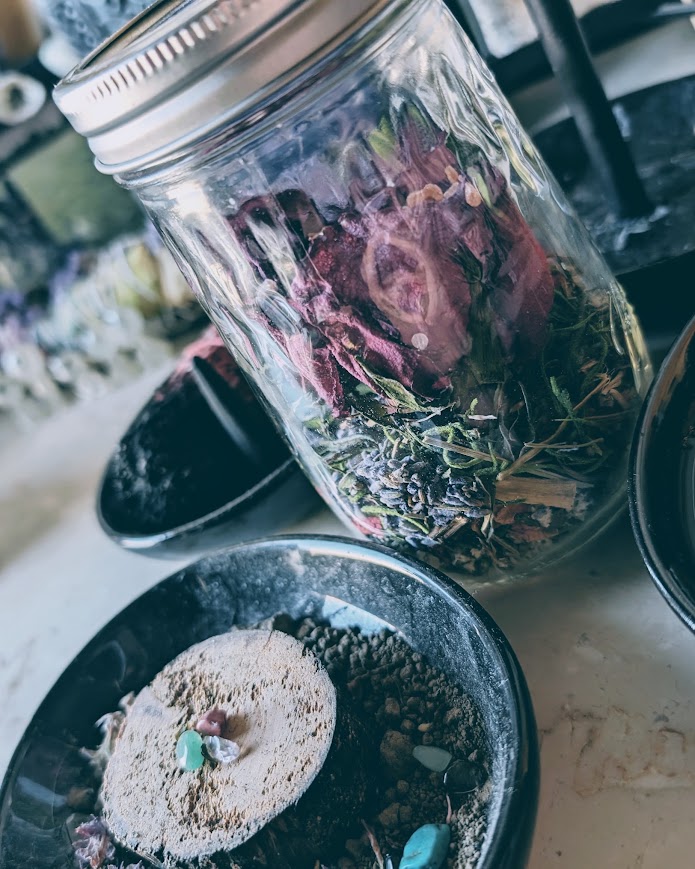
While many of the traditions associated with Samhain have changed over the centuries, the festival’s central themes of commemoration, appreciation, and connection remain as meaningful today as they were in the past. Each year, I begin my observance by cleaning and organizing my altar, creating a space that feels intentional and welcoming. Beside it sits a small memorial space, a mini graveyard of sorts, where I keep the ashes of my mother and beloved pets. During Samhain, I leave offerings for them, often including a favorite drink, fresh bread, cookies, candy, or other treats as a gesture of remembrance and gratitude for the role they continue to play in my life and memory.
Preparation for the season extends beyond the altar. I sweep the threshold of my home, burn incense throughout each room, and walk through the house, ringing bells to cleanse the space symbolically and dispel stagnant or unwanted energy. Whether viewed as spiritual practice, ritualized mindfulness, or a continuation of folk traditions, these minor acts help mark the transition into the darker half of the year and create an opportunity for reflection on those who came before us.
Samhain encourages us to embrace the connection between endings and new beginnings. As the veil between seasons grows thin, we honor the past while preparing for what lies ahead. Next week, we’ll move beyond the history and traditions of the festival to explore the colors, symbols, and correspondences associated with Samhain, as well as the tools, decorations, and ritual items you may wish to gather before October 31 arrives.
Created by Becca Jean.
References
https://www.irishcentral.com/culture/food-drink/traditional-irish-potato-cakes-boxty
https://www.mercattours.com/blog-post/the-history-of-guising-halloween
https://www.llewellyn.com/spell.php?spell_id=4624
https://www.llewellyn.com/spell.php?spell_id=2320
https://www.llewellyn.com/spell.php?spell_id=10528
https://www.museum.ie/en-IE/News/2023/Ghost-turnips,-pucas,-fortune-telling-and-evil-abd
https://www.britannica.com/topic/Halloween


Leave a Reply