Part Two:
The Symbols of Samhain
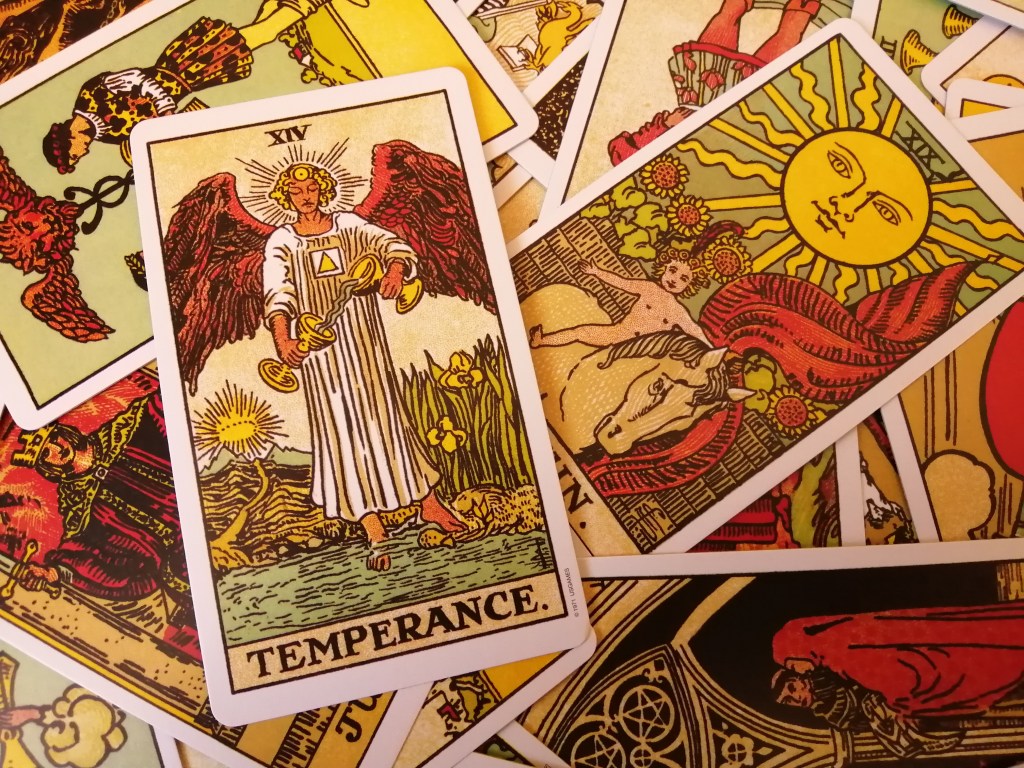
Created by Simon Mouton on Adobe Stock Images.
As Samhain approaches, many practitioners prepare their homes, altars, and sacred spaces for one of the most meaningful observances of the year. While the festival’s history provides important context, much of Samhain’s enduring appeal lies in its rich symbolism. Colors, herbs, foods, candles, crystals, and seasonal decorations all serve as reminders of the themes that define this sacred time (remembrance, protection, harvest, transformation, and the transition into the dark half of the year). Whether you follow a formal spiritual path or simply wish to create a deeper connection to the season, understanding these correspondences can help you approach Samhain with greater intention and purpose.
The Colors of Samhain
The colors associated with Samhain reflect both the last harvest and the approach of winter.
Black
perhaps the color most closely associated with Samhain. It symbolizes protection, the mysteries of the unknown, and the spiritual realm that many believe draws closer during this season. As a color of endings and transformation, black reflects the dying of the old year, the descent into the dark half of the seasonal cycle, and the opportunity for reflection, renewal, and personal growth.
Orange
embodies the warmth and abundance of the harvest season. When farmers gathered the fields and communities prepared for winter, the color symbolized prosperity, vitality, and gratitude for the year’s blessings. Orange also serves as a reminder of the last burst of life and energy before the landscape settles into winter’s quieter season. Today, its strong association with pumpkins, jack-o’-lanterns, and autumn decorations has made it one of the most recognizable colors of both Samhain and modern Halloween.
Red
represents the life force that continues even as nature appears to die back for the winter. Associated with vitality, courage, and sacrifice, it serves as a reminder of the strength required to endure seasons of change. For many practitioners, red also symbolizes the enduring bond between the living and their ancestors, making it a common color for candles, offerings, and remembrance rituals during Samhain.
Brown
reflects the earth itself and the last harvest gathered before winter’s arrival. Grounding and dependable, this color symbolizes stability, home, and the natural cycles that sustain life. Brown reminds us to appreciate the abundance of the season while recognizing the importance of preparation, rest, and resilience during the colder months ahead.
Deep Purple
has long been associated with spiritual wisdom, intuition, and the pursuit of hidden knowledge. People often connect Samhain to divination, meditation, and deeper exploration of the unseen world. Many practitioners incorporate deep purple into their altars and ritual spaces to encourage insight, self-reflection, and a stronger connection to spiritual guidance.
Silver
embodies the mystical qualities of moonlight and intuition. Often linked to psychic awareness and spiritual perception, silver reflects the belief that the veil between worlds grows thinner during Samhain. Its luminous appearance evokes the moon’s guiding presence in the darkness, making it a symbol of protection, inner wisdom, and communication with the spiritual realm.
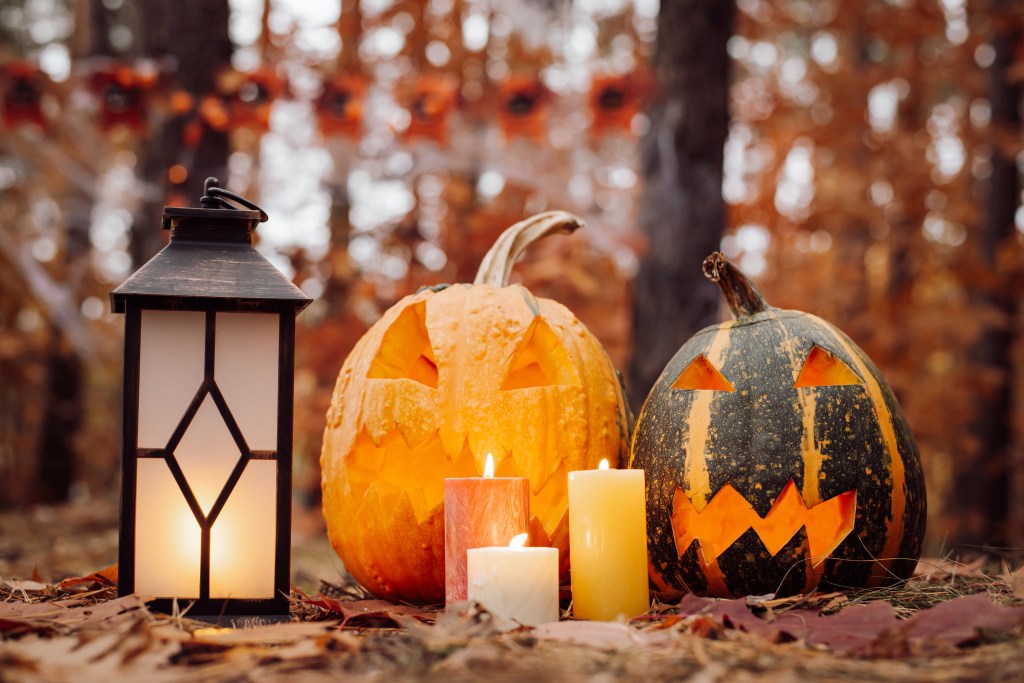
Created by Vitalii from Adobe Stock Images.
Traditional Symbols
The Jack-o’-lantern
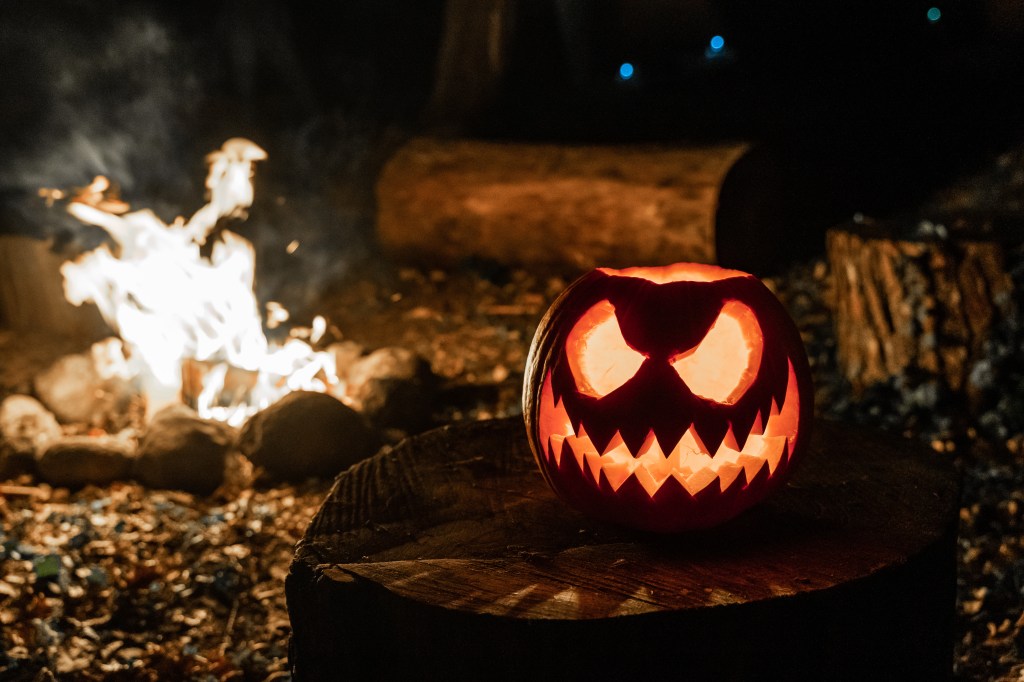
Long before pumpkins became the symbol of Halloween, people in Ireland carved turnips and other root vegetables into lanterns. They held the belief that the lights directed spirits and protected homes from unwelcome entities.
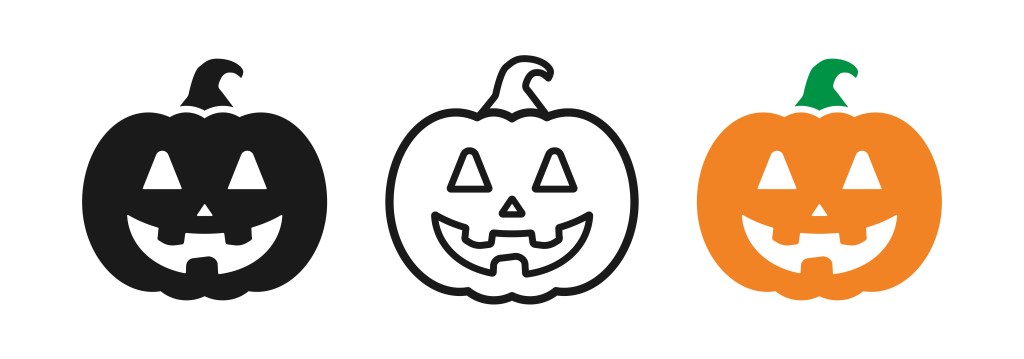
Created by oxinoxi on Adobe Stock Images.
The Cauldron
Often associated with transformation, rebirth, and spiritual wisdom, the cauldron represents the cycle of life, death, and renewal.

Created by Ayub Irawan on Adobe Stock Images.
The Bonfire
Historically, communities gathered around large fires to seek protection and celebrate the changing season. Today, candles and smaller fires often serve the same symbolic purpose.
Created by alex83m on Adobe Stock Images.
The Ancestor Altar
One of the most enduring symbols of modern Samhain is the ancestor altar, a dedicated space where photographs, heirlooms, candles, offerings, and mementos honor those who have passed.
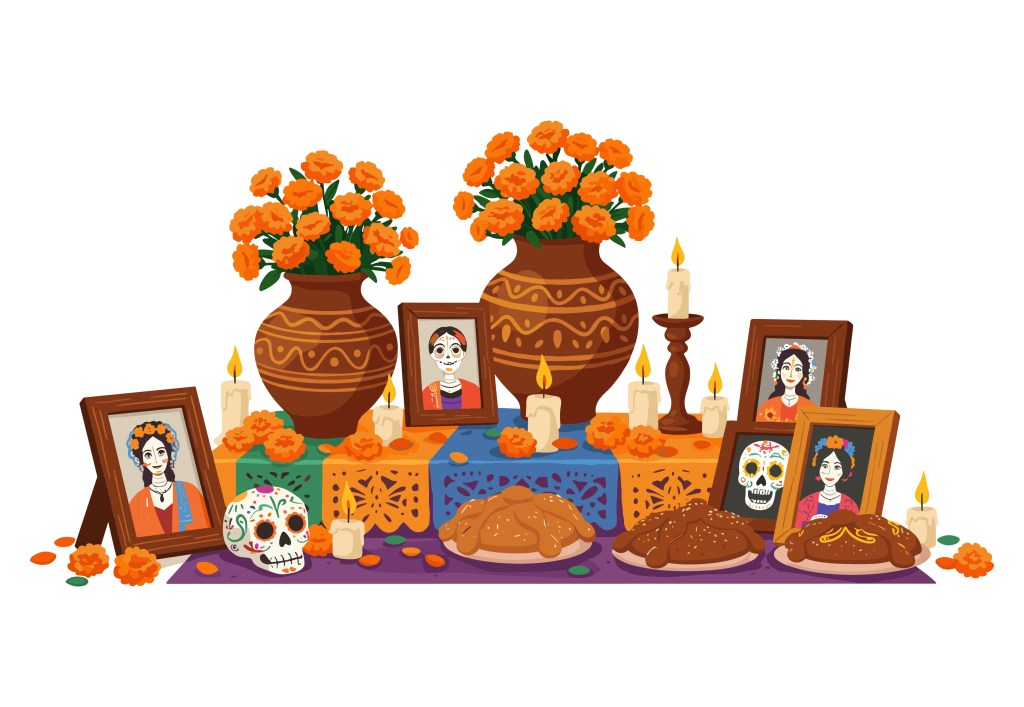
Created by Nurlaily on Adobe Stock Images.
Herbs
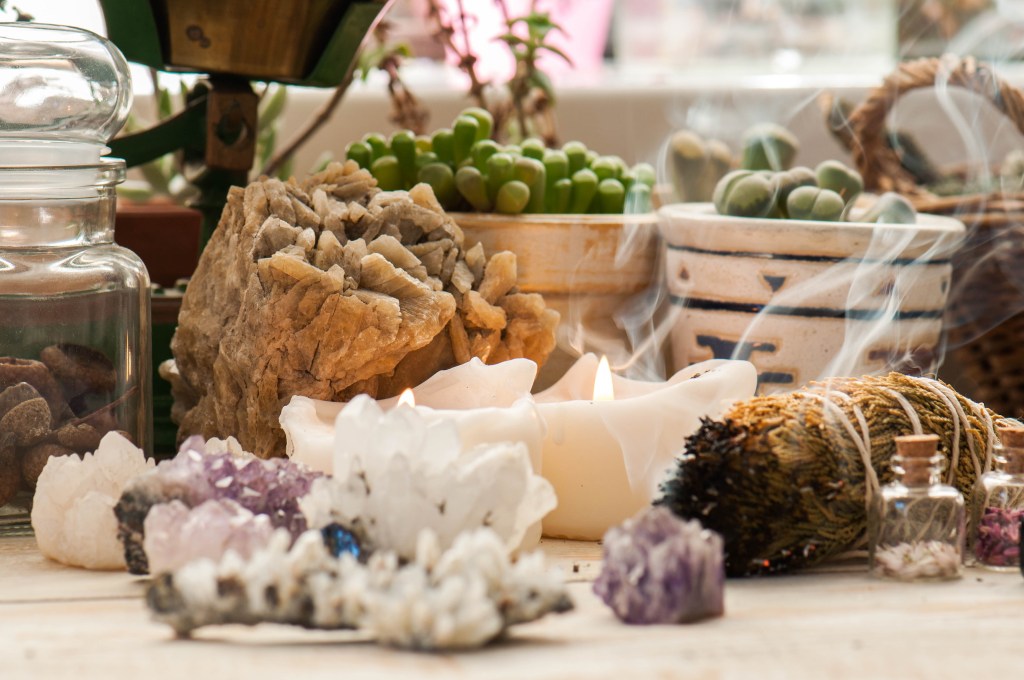
Many practitioners incorporate seasonal herbs into decorations, incense blends, offerings, and rituals.
Mugwort
commonly associated with divination, dreams, and spiritual awareness. Many practitioners use it to enhance intuition and encourage meaningful dreams during Samhain.
Rosemary
long symbolized remembrance and ancestor veneration. People often burn it as incense or place on altars to honor loved ones who have passed.
Sage
cleanses and purifies both people and spaces. During Samhain, practitioners often incorporate sage into rituals designed to clear stagnant energy and prepare sacred spaces.
Wormwood
associated with spirit communication and psychic work. Because of its strong connection to the unseen, practitioners frequently use it in divination and ancestor-focused practices.
Yarrow
symbolizes protection, courage, and healing. Many practitioners include it in charms or ritual work intended to safeguard the home during the dark half of the year.
Bay
offers wisdom, prophecy, and manifestation. Writing wishes or intentions on bay leaves and then burning them remains a popular magical practice.
Cinnamon
carries correspondences of warmth, prosperity, and protection. Its comforting scent also reflects the harvest season and the welcoming atmosphere many create for Samhain gatherings.
Clove
associated with protection, banishment, and spiritual purification. Whether burned as incense or added to seasonal blends, it is often used to ward off unwanted energies and promote peace within the home.
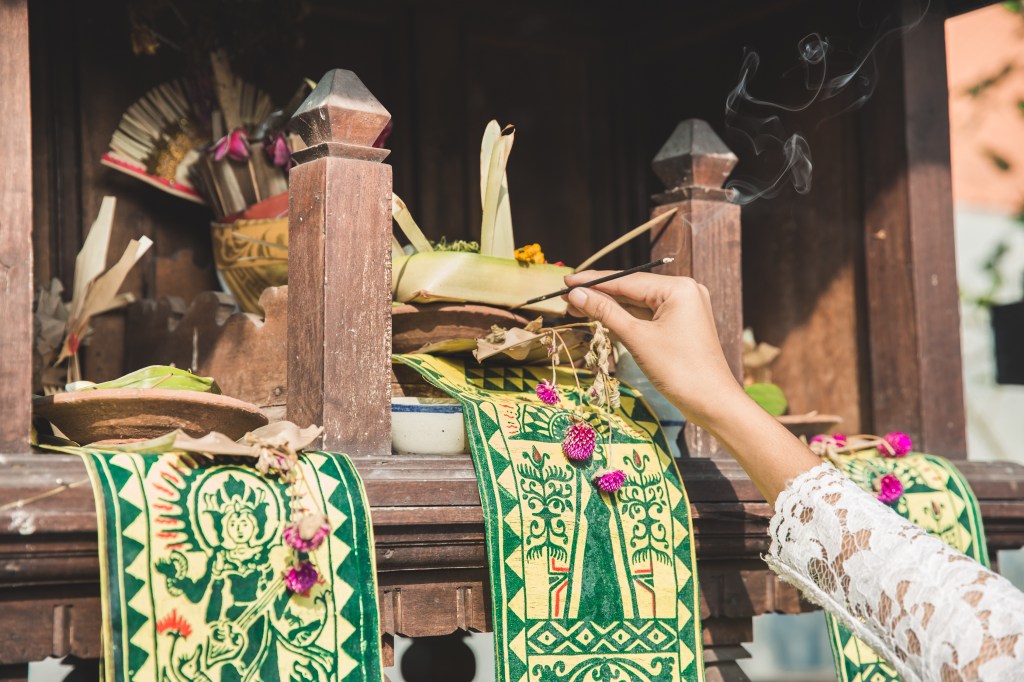
Many practitioners also leave offerings for ancestors. These offerings often include favorite foods, drinks, baked goods, flowers, or meaningful objects associated with departed loved ones.
In my practice, I place offerings beside my altar, where I keep the ashes of my mother and beloved pets. Fresh bread, cookies, candy, and an occasional glass of alcohol serve as simple acts of remembrance and gratitude. Through these offerings, I honor their memory, celebrate the joy they brought to my life, and maintain a tangible connection to those whose presence remains deeply felt, even after they have passed on.
Crystals and Stones
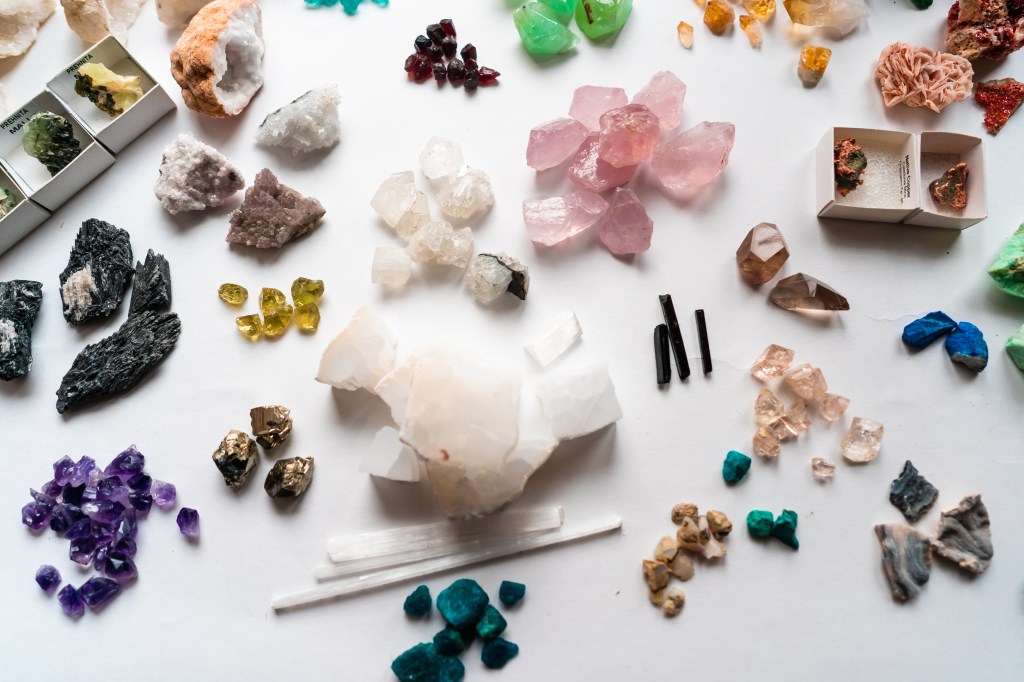
People associate Samhain with stones that encourage grounding, protection, and spiritual reflection.
Obsidian
provides powerful grounding and protection. Many practitioners use it during Samhain to shield against unwanted energies while encouraging deep self-reflection and personal transformation.
Smoky Quartz
helps release negativity and maintain emotional balance. Its grounding energy makes it a popular stone for navigating the introspective themes of the season.
Black Tourmaline
creates a strong protective barrier against negative influences. Practitioners often place it near entrances, altars, or sacred spaces to promote spiritual security.
Amethyst
enhances intuition, spiritual awareness, and inner wisdom. Practitioners often incorporate it into meditation, ancestor work, and divination practices related to Samhain.
Moonstone
strengthens intuition and fosters a connection to the cycles of nature. Its association with the moon makes it particularly fitting for a season focused on transition and reflection.
Labradorite
encourages transformation and spiritual exploration. Known for its shimmering flashes of color, it is often used to enhance psychic awareness and support work with the unseen realms.
Foods and Offerings
The importance of food has consistently been at the heart of how people celebrate Samhain.
Apples
symbolize immortality, wisdom, and the harvest. Long associated with Samhain divination, they frequently appeared in seasonal games and were believed to carry connections to the Otherworld.
Nuts
represent abundance, prosperity, and the final gifts of the harvest season. Families often gathered and shared them during Samhain celebrations as a reminder of nature’s provisions before winter.
Root Vegetables
reflect the earth’s sustaining power and the practical preparations necessary for surviving the colder months. Their connection to the soil also symbolizes grounding, stability, and the hidden life that continues beneath the surface.
Bread
symbolizes nourishment, community, and gratitude for the harvest. Many cultures have traditionally offered bread to ancestors or included it in seasonal feasts as a sign of hospitality and remembrance.
Seasonal Cakes
embody celebration and divination. Special cakes such as báirín breac often contained hidden charms or tokens intended to reveal fortunes, marriages, or other events in the year ahead.
Cider
represents the apple harvest and the abundance of autumn. Whether shared among family and friends or left as an offering for ancestors, it serves as a traditional beverage that honors both the season and those being remembered.
Created by Odua Images on Adobe Stock images.
Preparing Your Samhain Space
Samhain preparation often focuses on cleansing and intent.
Cleaning the Altar
Many practitioners begin their Samhain preparations by cleaning and reorganizing their altar. Beyond simply tidying the space, this act symbolizes clearing away old energy, making room for reflection, and preparing to welcome ancestors, spirits, and the new cycle ahead.
I like to begin by replacing my altar cloth and creating a new centerpiece for the year. I also change out the items that represent the four elemental directions, refreshing the dirt, water, incense, and candle.
Sweeping the Threshold
Sweeping the threshold serves both a practical and symbolic purpose. Traditionally, people believed that clearing the entryway removed stagnant energy and created a welcoming path for blessings while discouraging unwanted influences from entering the home.
Burning Incense
Many practitioners burn incense to purify their homes and create a sacred atmosphere. Fragrant herbs and resins such as rosemary, sage, frankincense, and myrrh can help mark the transition from everyday life into a more mindful and spiritual space.
Ringing Bells
The sound of bells has long been associated with cleansing and protection. Walking from room to room while ringing bells disperses stagnant energy, promotes spiritual clarity, and symbolically drives away negative influences.
Lighting Candles
Candles symbolize guidance, remembrance, and the enduring presence of loved ones who have passed. Many people light candles on Samhain to honor ancestors, illuminate the darkness of the season, and represent the light that continues through life’s transitions.
Decorating
Autumn decorations help connect the home to the themes of the season. Pumpkins, gourds, corn husks, colorful leaves, pinecones, acorns, and seasonal flowers celebrate the last harvest while reminding us of nature’s continual cycles of growth, decline, and renewal.
Photographs and Memorial Items
Some practitioners place photographs of deceased family members, friends, and beloved pets on their altar or memorial space. Displaying these images creates a focal point for remembrance and provides a meaningful way to honor the lives, memories, and relationships that continue to shape us. In my practice, I include photographs alongside the ashes of my mother and beloved pets, as well as my grandparents’ wedding rings.
With everything we talked about in this week’s blog and a bit of your own research, I hope you’ve gathered a decently comprehensive list of items to include in your altar and to prepare your home for the season’s arrival.
But what happens on Samhain night itself?
In the last installment of this series, we’ll explore modern witchcraft and pagan practice, learn about ancestral altars, examine divination traditions, and research some meaningful Samhain observances in contemporary life as we step fully across the threshold into the Witch’s New Year.
Of course, this is what I intended to say. However, life has a way of reshaping even the best-laid plans. Between preparing for the season and navigating several personal responsibilities, I simply haven’t had the time needed to complete a full three-part series. Instead, I’ve condensed the project into two installments. While there may be fewer articles than planned, I hope the content remains just as insightful and enjoyable. In a way, that feels fitting for Samhain itself, a season that reminds us to adapt to changing circumstances while still honoring what matters most.
Created by deliris on Adobe Stock Images.
Samhain endures because it speaks to something deeply human: our desire to remember where we come from while preparing for what lies ahead. Across both the ancient traditions explored in Part One and the modern practices discussed in Part Two, a common thread remains clear. Samhain invites us to honor our ancestors, reflect on the cycles of life and death, and find meaning in the connections that continue beyond loss. Whether through sacred rituals, seasonal customs, quiet moments of remembrance, or simply gathering with loved ones as the nights grow longer, the spirit of Samhain reminds us that the past is never truly separate from the present. In a world that often moves too quickly, this season offers an opportunity to pause, remember, and carry those who came before us forward in memory, gratitude, and tradition.
References
Samhain – Encyclopaedia Britannica: https://www.britannica.com/topic/Samhain
Stories of Samhain (Horniman Museum and Gardens): https://www.horniman.ac.uk/story/stories-of-samhain/
Samhain / Samhuinn – Rituals & Traditions (Order of Bards, Ovates & Druids): https://druidry.org/druid-way/teaching-and-practice/druid-festivals/samhain-festival
The Season of Samhain (The Druid Network): https://change.druidnetwork.org/what-is-druidry/learning-resources/the-season-of-samhain/
Samhain Correspondences (PaganPages): https://paganpages.org/emagazine/2008/10/01/samhain-correspondences/


Leave a Reply